


The bath that taught me to care about shampoo came after a skunk. The Lab I was testing shampoos on took a full blast at close range, and after the de-skunking wash, her skin went dry and flaky and she scratched for days. A gentle oatmeal shampoo calmed it down, and that experience still shapes my pick. The best shampoo for a Labrador is a mild, soap-free dog shampoo that rinses fully out of a dense double coat, and Earthbath Oatmeal and Aloe earned my top score.
I tested these six shampoos a few years ago, and I’ve now re-scored them against the criteria we use for every LabraJoy review. Each one gets an honest downside, because none of them suits every Lab.
Quick note: if you buy through my links, LabraJoy may earn a small commission from Amazon or Chewy. It doesn’t change what I recommend, and it doesn’t cost you anything extra.
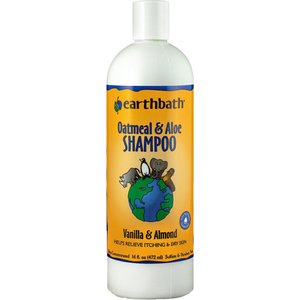
- Skin Relief
- Soap-Free and pH-Balanced
- 100% biodegradable
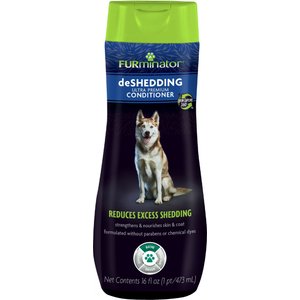
- Reduces excessive shedding
- Leaves hair soft and manageable
- Good fragrance
The best shampoos for Labs at a glance
Here’s how the six shampoos scored, highest first:
| Shampoo | Type | Best for | LabraJoy score | My take |
|---|---|---|---|---|
| Earthbath Oatmeal and Aloe (Fragrance Free) | Soothing oatmeal shampoo | Dry or itchy skin | 8.5 / 10 | The one I’d buy first |
| Burt’s Bees Tearless 2 in 1 Puppy Shampoo | Tearless 2 in 1 | Puppies, scent-sensitive homes | 7.9 / 10 | Gentle, but a weak lather |
| Buddy Wash Original Lavender and Mint | 2 in 1 shampoo and conditioner | Smelly lake dogs | 7.5 / 10 | Best at fighting dog smell |
| FURminator deShedding Ultra Premium | Deshedding shampoo | Shedding season | 7.3 / 10 | A helper for your brush, not a cure |
| Nootie Japanese Cherry Blossom | Scented shampoo | Owners who want a strong scent | 7.2 / 10 | Lovely smell, too much for some dogs |
| 4-Legger Lemongrass and Aloe | Organic castile-style soap | Owners who want plant-based | 6.6 / 10 | Fine, but it’s still a soap |
If your Lab has normal skin and you just want one bottle, a fragrance-free oatmeal shampoo covers most baths a Lab will ever need.
How I tested and scored these shampoos
Each shampoo went through real baths on a Lab’s double coat: muddy walks, lake swims and the general “dog smell” that builds up between washes. Scores come from the six weighted criteria on our review scoring page:
| Criterion | Weight |
|---|---|
| Skin gentleness | 30% |
| Rinse-out in a double coat | 20% |
| Cleaning and odor control | 20% |
| Scent | 10% |
| Ease of use | 10% |
| Value | 10% |
Skin gentleness carries the most weight because a Lab’s skin is where shampoo problems show up first: itching, flakes and red patches. Rinse-out comes next, since a dense undercoat traps leftover product right against the skin, and that residue can itch as much as the dirt it replaced.
Each product’s score is the weighted sum of its six criterion scores, each out of 10.
Earthbath Oatmeal and Aloe (best for dry, itchy skin)
LabraJoy score: 8.5 / 10
This is the shampoo I’d hand any Lab owner who isn’t sure where to start. It’s soap-free and pH-balanced for dogs, made with colloidal oatmeal and aloe vera, and the fragrance-free version has no added scent at all. Earthbath also says it won’t wash off topical flea treatments, which matters if your Lab is on a spot-on product.
It’s the shampoo that sorted out the skunk aftermath. After the de-skunk treatment, the Lab I was testing on had dry, flaky, clearly uncomfortable skin, and a couple of Earthbath baths soothed and re-moisturized it. As someone who’s sensitive to scents myself, I liked that the fragrance-free bottle really is unscented. It didn’t sting the dog’s eyes either.
Before Earthbath, I’d been using Burt’s Bees unscented puppy shampoo. When I switched, Earthbath lathered noticeably better, which made the bath quicker, and the coat came out softer, with a plush feel it hadn’t had before.
Watch which bottle you pick up. Earthbath sells the same oatmeal formula with a vanilla and almond scent, and the two look almost identical on a shelf.
| Criterion | Score |
|---|---|
| Skin gentleness | 9 |
| Rinse-out in a double coat | 8 |
| Cleaning and odor control | 8 |
| Scent | 9 |
| Ease of use | 9 |
| Value | 8 |
What I like:
- Calmed dry, flaky skin after the skunk episode
- Truly fragrance-free, and no stinging eyes
- Lathers well, so the bath goes faster on a big dog
What bugs me:
- The scented and unscented bottles are easy to mix up
- It doesn’t fight strong odors as hard as Buddy Wash
Burt’s Bees Tearless 2 in 1 Puppy Shampoo (gentlest pick)

LabraJoy score: 7.9 / 10
A quick correction first: an older version of this guide described a Burt’s Bees conditioner here. The product I actually used is the Tearless 2 in 1 Puppy Shampoo and Conditioner, made with buttermilk and linseed (flax seed) oil. Burt’s Bees says it’s pH-balanced for dogs and free from fragrances, sulfates and colorants.
It was my go-to unscented shampoo before Earthbath, so I know it well. It’s very mild and genuinely tearless, which makes it a good first shampoo for a Lab puppy who’s still learning that baths aren’t the end of the world. The catch is lather. On an adult Lab’s thick coat, it took more product to work it through to the skin, and that’s the reason I moved on.
| Criterion | Score |
|---|---|
| Skin gentleness | 9 |
| Rinse-out in a double coat | 8 |
| Cleaning and odor control | 6 |
| Scent | 9 |
| Ease of use | 6 |
| Value | 9 |
What I like:
- Mild enough for puppies, and no stinging near the eyes
- No added fragrance
- Easy to find and cheap per bottle
What bugs me:
- Weak lather on an adult Lab’s undercoat
- Not strong enough for a dog who’s rolled in something awful
Buddy Wash Original Lavender and Mint (best for odor)
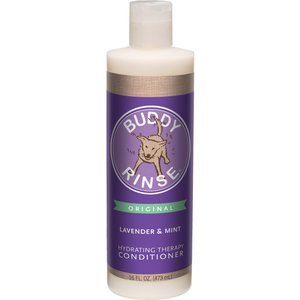
LabraJoy score: 7.5 / 10
If your Lab swims, you’ll know the smell I mean. Buddy Wash is a 2 in 1 shampoo and conditioner on a coconut-based cleanser, with aloe, lavender and mint, plus chamomile, sage, nettle and rosemary. Of the six, it did the most to knock back that wet-dog smell, and the coat came out soft with a light sheen. Brand bundles sometimes add a matching spritz for freshening up between baths.
Two things keep it off the top spot. The scent is strong, which most owners love and some dogs clearly don’t. It also contains a little tea tree oil. At shampoo strength that’s generally not considered toxic, according to the American College of Veterinary Pharmacists, but rinse it out well and keep it away from a dog who licks his coat after a bath.
If the smell keeps coming back within a day or two of a bath, shampoo isn’t the fix. My guide to why a Labrador can smell bad covers the causes that need a vet, like ear and skin infections.
| Criterion | Score |
|---|---|
| Skin gentleness | 7 |
| Rinse-out in a double coat | 7 |
| Cleaning and odor control | 9 |
| Scent | 6 |
| Ease of use | 8 |
| Value | 8 |
What I like:
- The best odor control of the six
- Shampoo and conditioner in one bottle
- Leaves a soft coat with a nice sheen
What bugs me:
- The lavender scent is strong
- Contains tea tree oil, so rinse thoroughly
FURminator deShedding Ultra Premium Shampoo (for shedding season)
LabraJoy score: 7.3 / 10
This shampoo is built to help loosen dead undercoat during a bath. It comes in a 16 fl oz bottle and lists omega-3 and omega-6 fatty acids, calendula and papaya leaf extract, without parabens or chemical dyes. FURminator says regular use helps reduce excess shedding, which is the maker’s claim, not something I could measure in a tub.
Here’s my honest take. A shampoo can make brushing easier, but it can’t pull out a Lab’s undercoat on its own. Used during a spring coat blow, followed by a good de-shedding tool, it does make the hair come out more easily. Used alone, you’ll still be vacuuming twice a day.
If shedding is your main problem, spend your money on a tool first. My guide to the best brush for Labs has the de-shedding tools that scored highest.
| Criterion | Score |
|---|---|
| Skin gentleness | 8 |
| Rinse-out in a double coat | 7 |
| Cleaning and odor control | 7 |
| Scent | 7 |
| Ease of use | 8 |
| Value | 6 |
What I like:
- Conditions the coat while it cleans
- Helps loose undercoat come away during the bath
- Pleasant, mild scent
What bugs me:
- Costs more per bath than the others
- Only really pays off alongside a de-shedding tool
Nootie Japanese Cherry Blossom Shampoo (strongest scent)

LabraJoy score: 7.2 / 10
Nootie is the shampoo for owners who want their Lab to smell like a spa for days. Nootie says the formula is soap-free and paraben-free, and it lathers and spreads very easily on a big dog. The Japanese cherry blossom scent is sweet and lasts a long time after the bath.
That long-lasting fragrance is also the problem. A Lab’s nose is far more sensitive than ours, and a strong perfume is the opposite of what a dog with touchy skin needs. Retailer listings also show different ingredient lists for this bottle, some with a sulfate cleanser and some without, so read the label on the one you buy.
| Criterion | Score |
|---|---|
| Skin gentleness | 6 |
| Rinse-out in a double coat | 8 |
| Cleaning and odor control | 8 |
| Scent | 5 |
| Ease of use | 9 |
| Value | 8 |
What I like:
- Lathers fast and rinses out easily
- Covers dog smell well between baths
What bugs me:
- The fragrance is too strong for scent-sensitive dogs and people
- Not the pick for itchy or allergic skin
4-Legger Lemongrass and Aloe Organic Shampoo (plant-based pick)

LabraJoy score: 6.6 / 10
4-Legger is the choice for owners who want a short, plant-based ingredient list. It’s made from saponified organic coconut, olive and jojoba oils, with organic aloe vera, lemongrass and rosemary essential oils. Chewy lists it as made in a USDA-certified organic facility, vegan and free from detergents, parabens and sulfates.
The older version of this guide called it chemical-free, which isn’t accurate. Saponified oils are soap, made by a chemical reaction, and soaps are more alkaline than most dog shampoos. That doesn’t make it unsafe, but it’s why I scored it lower for skin gentleness and rinse-out than the soap-free picks. Castile-style soaps also tend to lather less in a thick coat. The lemongrass oil gives it a fresh smell, though I wouldn’t count on it to keep fleas away.
| Criterion | Score |
|---|---|
| Skin gentleness | 7 |
| Rinse-out in a double coat | 6 |
| Cleaning and odor control | 7 |
| Scent | 7 |
| Ease of use | 6 |
| Value | 6 |
What I like:
- Short, plant-based ingredient list
- Fresh lemongrass smell that isn’t overpowering
What bugs me:
- It’s a soap, not a soap-free shampoo
- One of the pricier bottles here
How to choose a shampoo for a Lab
Labs have a short, dense double coat, with a soft undercoat under a water-resistant topcoat. That coat holds water, dirt and shampoo, so the right product is one that’s gentle and rinses out cleanly, not one that promises the most.
Here’s how the main shampoo types compare for a Lab:
| Shampoo type | What it does | Use it for | Watch out for |
|---|---|---|---|
| Gentle everyday (oatmeal, aloe) | Cleans and soothes | Routine baths | Scented versions of the same formula |
| Hypoallergenic or fragrance-free | Leaves out common irritants | Sensitive or allergic skin | “Hypoallergenic” isn’t a regulated term |
| Deodorizing | Fights odor with stronger cleansers and scent | Swimmers and rollers | Strong fragrance |
| Deshedding | Conditions to loosen undercoat | Spring and fall coat blowing | Needs a brush to do the real work |
| Medicated | Treats infection or a diagnosed skin problem | Only on a vet’s advice | Needs contact time to work |
| Flea and tick | Kills or repels parasites | Active infestations | Can clash with other flea products |
| Puppy or tearless | Extra mild | Young Labs | Weaker on a heavy adult coat |
Before you buy, check:
- That it’s made for dogs, not people
- Whether it’s soap-free and says it’s pH-balanced for dogs
- For fragrance-free wording if your Lab has itchy skin
- That it won’t strip spot-on flea treatments, if your dog uses one
- The size of the bottle, because a 70 lb Lab goes through shampoo fast
If your Lab already has itchy skin, ear trouble or paw licking, the shampoo may only be part of the story. My guide to allergies in Labradors explains the common triggers and when to test for them.
Is shampoo necessary for Labrador grooming?

Yes, but far less often than most owners think. A Lab’s coat has natural oils that keep it water-resistant, and frequent washing strips them out. Most Labs do fine with a bath every few months, plus extra baths when they’ve rolled in something or come back from a muddy swamp.
Shampoo earns its place when plain water won’t do the job: mud worked into the undercoat, a smell that rinsing doesn’t touch, or a vet-recommended routine for skin problems. Regular baths also lift pollen and dander out of the coat, which helps some allergic dogs and the people who live with them.
The rest of a Lab’s coat care is brushing, not bathing. My grooming tips for Lab owners cover the simple weekly routine that keeps baths to a minimum.
Can I use human shampoo on my Labrador?
No, not as a habit. Human shampoo is made for skin that’s more acidic than a dog’s. A study in the Canadian Journal of Veterinary Research puts canine skin at roughly pH 5.5 to 7.2, compared with about 4.5 to 6.0 for human skin.
That mismatch, plus the strong fragrances and harsher cleansers in many human products, can leave a Lab’s skin dry, flaky and itchy. Some human shampoos can also cut the effect of topical flea treatments. A Lab’s nose is far more sensitive than ours, so a perfume we barely notice can be a lot for him.
If you’re stuck with no dog shampoo at all, one bath with a mild, unscented baby shampoo is unlikely to do lasting harm. Just don’t make it the routine. Buy a proper dog shampoo for the next bath.
How to bathe your Labrador

Labs love water right up until it’s bath water. A bit of preparation keeps it quick for both of you. My guide on how often to bathe a Labrador covers the schedule. These are the steps that work in my house:
- Brush first, so loose undercoat comes out before it gets wet and clumps
- Put a non-slip mat in the tub and use lukewarm water
- Wet the coat fully, working the water down to the skin through the undercoat
- Lather from the neck back, paying attention to the belly, legs, armpits and tail
- Wipe the face with a damp cloth instead of pouring shampoo near the eyes
- Rinse, then rinse again, until the water runs clear and the coat doesn’t feel slippery
- Towel off by pressing, not rubbing, and finish with a dryer on low heat held at least 12 inches away
The rinse is the step most people rush. A Lab’s undercoat holds onto shampoo, and leftover residue against the skin is a common reason for an itchy dog after a bath.
In spring, I add a rubber curry brush during the bath and a high-velocity dryer afterwards. With Buck, that combination pulls out roughly two full grocery bags of undercoat in one afternoon, which is far less hair than ends up on my floor otherwise.
Ears need care too. Keep water out of the ear canals, and dry the outer ear with a cotton ball or a vet-approved ear cleaner afterwards. Labs are prone to ear infections, and a damp ear after every bath doesn’t help.
What to do when your Lab gets skunked
Regular shampoo won’t remove skunk spray, because the smell comes from sulfur compounds that need neutralizing. The AKC’s skunk guide quotes a veterinarian’s home recipe:
- 1 quart of 3% hydrogen peroxide
- 1/4 cup of baking soda
- 1 to 2 teaspoons of dish soap
Mix it right before use and never store it in a closed container, because it can burst. Work it through the dry coat, keep it well away from the eyes, leave it for a few minutes and rinse thoroughly. Peroxide can lighten a black or chocolate Lab’s coat, so don’t leave it on longer than you need to.
Then follow with a gentle dog shampoo. This is exactly where the oatmeal shampoo earned its top spot for me, because the de-skunking wash is harsh on the skin. If your Lab’s eyes look red after a spray, flush them with cool water and call your vet. Check for bites or scratches too, and make sure his rabies vaccine is up to date.
Will a hypoallergenic shampoo stop my dog itching?

Sometimes, but only if the itch comes from the skin’s surface. A hypoallergenic shampoo leaves out common irritants, so it cleans without making sensitive skin worse. It won’t fix the cause of most itching.
According to the MSD Veterinary Manual, the most common causes of itching in dogs are parasites, infections and allergies. A gentle shampoo can calm the skin while you find out which one it is, but fleas need flea treatment and a food allergy needs a diet change.
If your vet prescribes a medicated shampoo, how you use it matters as much as the bottle. VCA Animal Hospitals advises leaving it on for about 10 minutes, or whatever contact time your vet gives you, before rinsing it out completely.
Based on my research, the safest approach for an itchy Lab is simple. Use a fragrance-free shampoo, rinse thoroughly, and see your vet if the scratching lasts more than a week or two, or if you see red patches, hair loss or sores. Patch-test any new shampoo on a small area first.
FAQ
What is the best shampoo for a Labrador?
A gentle, soap-free dog shampoo that rinses out of a thick coat is best for most Labs. Earthbath Oatmeal and Aloe in the fragrance-free version scored highest in my testing, at 8.5 out of 10, for its skin gentleness and easy lather.
How often should I shampoo my Lab?
Most Labs only need a shampoo bath every two to three months, plus extra baths after mud, swims in dirty water or a roll in something smelly. Washing too often strips the natural oils that keep a Lab’s coat water-resistant.
Can I use baby shampoo on my Labrador?
A mild, unscented baby shampoo is fine for an occasional emergency bath, but it isn’t made for a dog’s skin pH. Switch to a proper dog shampoo for regular baths, especially if your Lab has dry or itchy skin.
Do Labs need conditioner?
Most Labs don’t need a separate conditioner, because their short coat doesn’t tangle. A 2 in 1 shampoo like Buddy Wash or Burt’s Bees adds a little conditioning, and that’s plenty for most dogs.
Does deshedding shampoo actually work on Labs?
It helps loosen dead undercoat during a bath, but it can’t stop shedding on its own. You’ll get the best results by following it with a de-shedding tool or undercoat rake once the coat is dry.
My final word
In my experience, most Labs don’t need anything fancy. One gentle, fragrance-free bottle, a thorough rinse and not too many baths will keep a Lab’s coat in good shape. Keep a skunk kit in the cupboard too. You won’t need it often, but when you do, you’ll be glad it’s there before your dog walks back into the house.


